

We offer you and your projects’ partners a win-win solution based on a solid, long-lasting, fruitful relationship
You outsource the mundane & concentrate on what you do best
This article is part of a series in which we examine the differences between Modular and
Prefabrication in Construction.
Prefabrication and modular Construction changed how we built. This article is part of a series in which we explore how methods address the following issues: eliminating waste, reducing transportation, diminishing carbon emissions, streamlining processes, speeding up the Construction cycle, and improving efficiency.
Two trending methods of building sustainable constructions to reduce CO2 emissions are Prefabrication and modular Construction.
These methods have a promising future thanks to healthy market growth, sustainable practices, and innovative solutions.
The high quality of its offering fuels the growth of the Prefabrication and modular Construction industry, its ability to withstand the supply chain crisis and workforce shortages, and its modularity, which helps deliver flexible, cheaper solutions quickly.
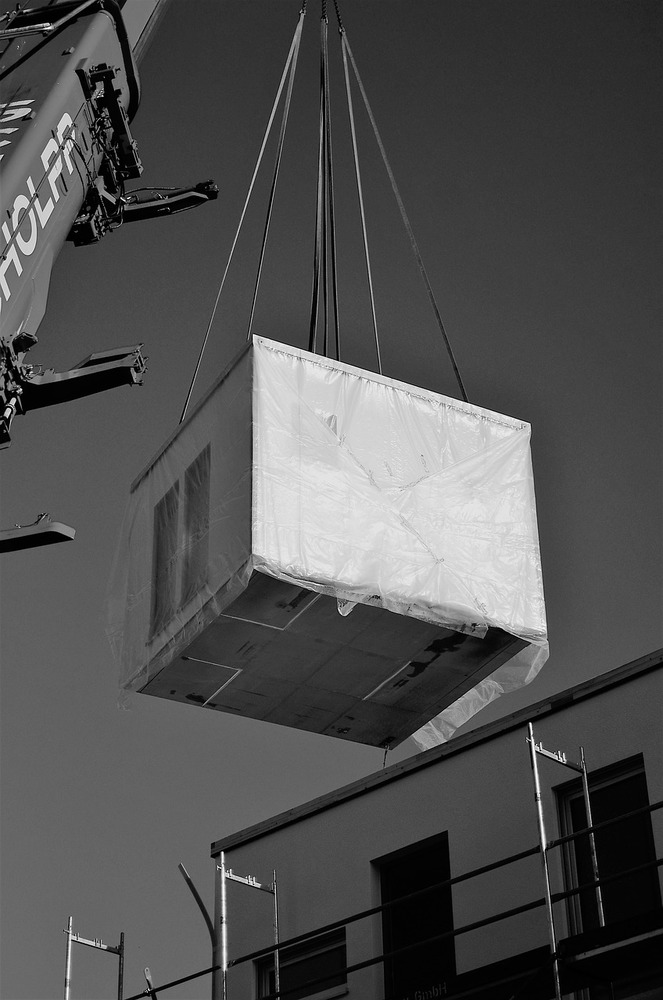
Both methods manufacture buildings or structures in factories and then deliver them to the site for assembly and professional installation.
Are buildings built with these methods of poorer quality than traditional buildings?
No, this is a myth; they are made of high-quality, durable materials and comply with the International Building Code (IBC). They employ highly qualified and trained staff to assemble the modules on-site. They use automated processes to avoid human errors and costly rework. They produce less waste than traditional buildings.
Prefabricated buildings and structures may be temporary/portable or permanent standalone buildings.
We build Prefabrication and Modular Constructions in factories, and final adjustments are made on-site during installation, mitigating risks associated with extreme weather conditions because we fabricate modules and structures in a climate-controlled environment.

When you compare Modular buildings to traditional Construction, you will find that modular buildings are built more quickly and flexibly.
Experts predict that spending on R&D for cutting-edge building solutions, driven by incentives from many governments worldwide, will boost the modular Construction market share. The programs are driving changes that lessen Construction waste and support green buildings.
As an example, let's look at the government of Singapore.
The program depends upon prefabricated prefinished volumetric Construction (PPVC) elements. PPVC is a Construction method that encapsulates 3-dimensional modules, internal finishes, fixtures, and fittings in an offsite fabrication facility before delivery and on-site installation.
The Singapore government also incentivizes businesses to standardize new building techniques.
Funding strategic project pre-planning puts a lot of pressure to start constructing assets quickly, so businesses are performing project stage planning at a very late stage, resulting in the modular Construction market being badly impacted, as owners have already decided to use traditional Construction methods.
Another hindrance following the total shutdown during the COVID-19 pandemic was the volatility and uncertainty it introduced into the Construction industry, which severely impacted the Prefabrication and modular Construction segment due to a decline in new residential and non-residential Construction. The major countries affected were India, China, the U.S., Italy, Israel, and the U.K.
The market segmentation is between permanent modular Construction (PMC) and relocatable modular Construction.
PMC represents the highest market share and is the fastest-growing industry segment. The PMC modules can be fitted to existing buildings and provide time- and cost-efficient turnkey solutions.
The materials used in the market are concrete, steel, and wood. In 2025, concrete was the largest material segment, driven by rising demand for road and highway infrastructure.
Start-ups in emerging countries are growing rapidly, driving progress in the commercial sector. They are mainly used in the following segments :
Asia Pacific is the fastest-growing region over the next 10 years. The regional market is expected to be driven by expanding Construction activity, driven by increased demand from the residential and commercial sectors.
Prefabrication and modular Construction are popular worldwide, enabling high quality and increasing market acceptance, as they serve remote locations, generate very little waste, and offer a flexible process.

Cost-effective Prefabrication and modular Construction need technologies to ensure uniform quality. It has significantly increased the demand for these methods, facilitating the creation of new jobs, more high-quality, affordable housing solutions, lower fossil-fuel energy consumption, higher levels of clean water provision, the Construction of better transportation infrastructure, and improvements in social and health services.
The growth of Prefabrication and modular Construction is driven by urbanization & industrialization in developing countries, a growing worldwide population, and government initiatives worldwide to build more houses to accommodate population growth.
Unfortunately, Prefabrication and modular constructions are not popular in regions prone to earthquakes and hurricanes, due to their unproven reliability. As a result, the market for modular Construction is not growing as quickly as it could.
During the COVID-19 pandemic, the Construction, manufacturing, hotel, and tourism industries were affected, reducing demand for the Prefabrication and modular Construction market. Fortunately, Construction companies are now operating at full capacity, which has helped the Prefabrication and modular Construction market grow again.
Permanent Prefabrication and modular Construction have recorded the highest revenue, and relocatable Construction is expected to grow rapidly.
Permanent modular houses are inexpensive and simple to build. They cover a range of designs and patterns, including duplex and multistorey apartments aesthetically built with CorTen steel and anticorrosive paint coating.
The increasing trend of green buildings and new infrastructures across developed countries, such as the U.S., the UK, France, and Germany, is forecasted to create worthwhile opportunities for the expansion of the permanent modular Construction industry, thanks to initiatives like:
For example, the company BIG and Lejerbo were honored by the Danish Association of Architects with the Lille Arne Award for prioritizing the spatial qualities of the residences and the building strategy on a strict affordable housing budget, using Prefabrication and modular Construction methods. BIG's founding partner, Bjarke Ingels, said:
Affordable housing is an architectural challenge due to budget constraints. We have attempted to mobilize modular Construction with modest materials to create generous living spaces at the urban and residential scale. The prefabricated elements are stacked to allow every second module an extra meter of room height, making the kitchen-living areas unusually spacious. By gently adjusting the modules, the living areas open more towards the courtyard while curving the linear block away from the street, expanding the sidewalk into a public square. Economic constraints often lead to scarcity — at Dortheavej, we created value for individuals and the community.

Major companies in the modular Construction market offer new, high-quality products and better services to customers. They are:
Prefabrication and Modular concepts are used in many types of Construction projects, such as houses, residential communities, hotels, and hospitals.
In Prefabrication and modular Construction, supply chain reactions are more predictable than in traditional Construction, as the process is centralized and relies on standard materials. needs fewer materials and produces less waste.
In the Construction industry, labor shortages have long been a trend, but not as severe in the Prefabrication and modular Construction industry. The methods enable new employees to be easily trained on assembling standard modules. When trained, they become efficient very quickly.
Prefabrication and modular Construction projects deliver mobility, as they are easily movable, agile, cost-effective, and sustainable.
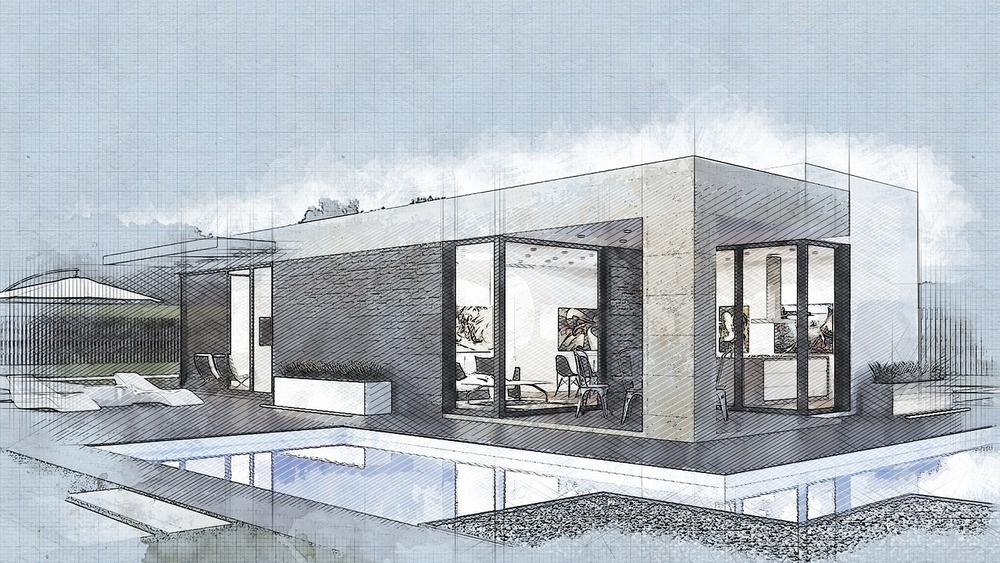
Prefabrication and modular Construction are well-suited to responding to changes in the Construction industry, as they provide high-quality, affordable options.
The popularity of Prefabrication and modular Construction will accelerate when heating, ventilation, and air conditioning systems become standard in regions that experience extreme cold and heat, and when Construction is more reliable in places vulnerable to earthquakes.
Developers and contractors can recommend moving to Prefabrication and modular Construction when it is appropriate, so they can:
Driving Vision's technology appraisal looks at the best way to insert new technology in your workflows and how to move your organization to cloud computing so you can open up new possibilities for your daily planning tasks and make sure your data never leaves the optimally secured data center.
A Driving Vision expert will conduct the interviews online and discuss the issues and our findings in the report. Together, we will decide on the best way to implement the solutions at your pace and within your budget. Are you ready to experience the future of Construction management? Give us a call.
Implementing BIM can be daunting, but Driving Vision is here to help you at the pace you are comfortable with. Get started by getting in touch now

We act as your BIM coordinator

We Support your BIM IT

We Train & Coach you

We Innovate in Technology
We offer you and your projects’ partners a win-win solution based on a solid, long-lasting, fruitful relationship
You outsource the mundane & concentrate on what you do best