

It might seem daunting, time consuming & prohibitive for smaller practices, to implement BIM. Not with Driving Vision!
This article is part of a blog series, which explores the future of Artificial Intelligence (AI) in Construction. Artificial Intelligence in Construction refers to the use of advanced AI technologies to improve various aspects of the industry. AI has a significant impact on design, planning, execution, and management, enhancing efficiency and effectiveness throughout the Construction process.
The Construction industry is facing a technological revolution. Builders and contractors must harness the potential of AI to reshape the design, Construction, and renovation of buildings.
In this article, we examine how AI technologies are being increasingly integrated into Construction workflows, thereby enhancing efficiency, Safety, and decision-making processes. Machine learning algorithms, robots, and drones transform the industry by increasing productivity, enhancing Safety, and accelerating decision-making at every stage of a project. These technologies streamline processes and provide valuable insights.

Yes, AI can impact every industry. AI can boost productivity, drive innovation, and create efficiencies in the following sectors.
AI detects fraud better than humans, improves risk management, and enables algorithmic trading.
Finance can also be utilized in customer services to provide 24/7 support, personalize interactions, and detect fraud by automating accounting tasks.
Enhances diagnostics, boosts drug research, and improves treatment plans.
AI assists surgeons with precise, minimally invasive surgeries.
Customer experience improves when you tailor your product recommendations.
Supply chain optimization leverages AI-driven inventory management to reduce waste and lower costs.
Innovative factories utilize AI to monitor machinery and perform predictive maintenance, thereby reducing downtime and operational costs.
AI-powered robots also increase the speed and precision of assembly tasks.
AI systems analyze weather, soil, and crop data.
They optimize irrigation, planting, and harvesting to maximize yields and enhance resource efficiency.
AI has had a significant impact on autonomous vehicles by optimizing logistics and developing more intelligent traffic management systems.
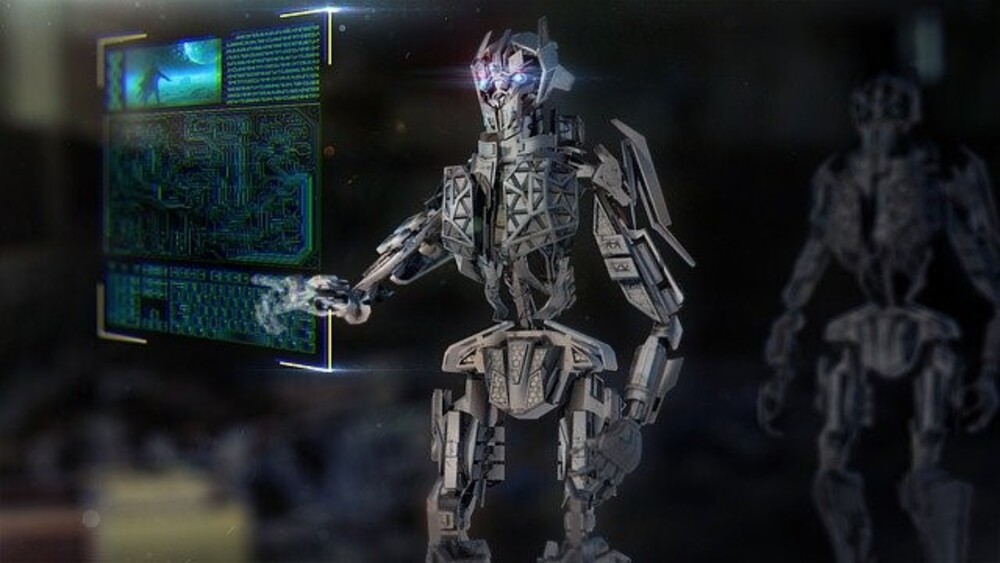
In the Construction sector, the impact varies widely.
AI may have significant implications for planning, design, and site management.
By optimizing project designs, enhancing the accuracy of 3D models, and improving material estimation and prediction, AI helps Construction professionals plan more efficiently and reduce errors.
AI systems can monitor job sites, helping to identify potential hazards and risks, and assess Safety in your projects.
You can, when systems are in place, reduce repetitive tasks, improve workflow efficiency, and better use resources by tracking equipment health, preventing breakdowns, and supporting proactive maintenance schedules.
AI algorithms analyze project data to optimize material ordering, increase equipment usage, and maximize labor allocation in scheduling.
AI processing large volumes of data offers insights for informed decision-making.
Drones equipped with cameras collect Realtime site data, monitor progress, and reduce potential costing issues.
AI algorithms can generate various design options for a specific project and eliminate potential constraints.
Robots helped by AI systems may perform repetitive tasks, such as bricklaying and welding, with greater precision and speed than any human can match.
AI-powered drones can perform site surveys, monitor progress, and improve Safety inspections.
AI can avoid Safety hazards, monitor progress, and improve quality control by analyzing images and videos.
AI is reinventing Construction by enhancing efficiency, improving Safety, and accelerating decision-making throughout the project lifecycle.
The main point of using AI is not to replace human workers but to support staff capabilities and to innovate in the industry.

Construction is considered a "traditional" industry and does not utilize AI as intensively as other sectors. Construction utilizes AI to transform its operations.
Let's discuss below what the IU can do.
Generative AI suggests various designs based on parameters such as cost, materials, and structural integrity. AI accelerates the planning phase and saves money by reducing costly errors before Construction begins.
AI algorithms can analyze project data to create efficient schedules and precisely allocate equipment, labor, and materials.
AI-powered tools can analyze project proposals and historical data to generate fast, accurate cost estimates and financial forecasts.
Predictive analytics: AI can analyze data to anticipate potential problems such as material shortages, budget overruns, or design flaws, enabling project managers to mitigate risks proactively.
Enhanced Safety: AI-powered cameras, drones, and sensors monitor job sites in realtime, detecting Safety violations and potential hazards. Wearable AI sensors can monitor workers' health.
AI and machine learning are augmenting the workforce by automating repetitive or dangerous tasks. Robots can perform tasks such as bricklaying, welding, and demolition with greater precision and consistency.
Drones and cameras can track progress by comparing site conditions to 3D models or blueprints. The above provides managers with Realtime insights and helps ensure quality control.
Streamlined processes: AI can automate repetitive administrative tasks, such as processing invoices, generating reports, and managing supplier communications.
Data analysis: AI-driven analytics provide decision-makers with deeper insights into project trends, performance metrics, and spending patterns.
Predictive maintenance: Intelligent sensors can monitor the health of Construction equipment, predicting when it will need maintenance and preventing costly downtime.
AI improves Automation of repetitive tasks and reshapes job roles, but experts do not anticipate a complete takeover of the Construction industry. The sector will continue to rely on human Expertise, judgment, and creativity, with AI functioning as a powerful tool to enhance efficiency, Safety, and decision-making.

Machine Learning: Automates complex processes and identifies problems early by analyzing project data, leading to more informed decision-making.
Deep Learning: Empowers thorough Safety audits, enhances quality control, and supports design improvement, ensuring higher standards across all Construction phases.
AI Automation: Streamlines communication, project management, and routine administrative tasks, allowing teams to focus on critical aspects of the build.
Robotics: From automated surveying to precision in material handling and execution of Construction tasks, robotics is playing an increasingly central role.
Predictive Analytics: Uses historical and Realtime data to anticipate risks, understand market trends, and seize opportunities, ensuring projects stay on track.
Increased Efficiency: Automation and digitalization streamline operations, from planning through to execution. Improved Safety: AI technologies detect hazards and manage risks, protecting workers and assets.
Better Decision-Making: Access to comprehensive data and predictive insights supports smarter strategies and project planning. Enhanced Quality Control: Early identification of design flaws or Construction errors saves time and resources.
Cost Savings: Reduction in labor costs and minimized material wastage contribute to more economical project execution.

Contracts and Design Alternatives: Advanced AI tools evaluate contracts for potential issues and assess design options for feasibility and efficiency.
Digitization of Documents: Optical Character Recognition (OCR) technologies convert physical documents into digital formats, facilitating information retrieval and management.
Optimization of Construction Methods: Machine learning models suggest improvements, ensuring optimal techniques are employed. Administrative Efficiency: Scheduling, data entry, and other clerical tasks are automated, enhancing operational productivity.
Site Monitoring: Drones and wearable tech offer unprecedented views and realtime updates, ensuring projects progress as planned.
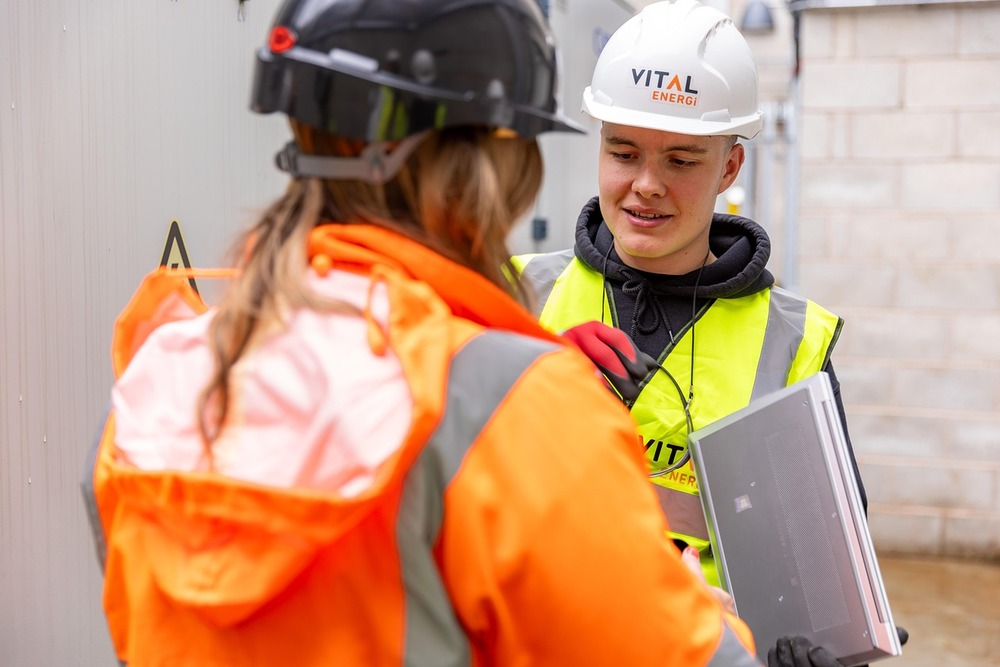
Embracing AI requires a strategic approach: Understand AI Solutions: Get acquainted with the types of AI tools available and relevant to your operations.
Identify Areas for Improvement: Pinpoint specific challenges within your projects where AI could offer solutions.
Evaluate the Potential Impact: Consider the cost-benefit of various AI implementations and their potential to enhance project outcomes.
Seek Expertise: Collaborate with vendors or consultants experienced in integrating AI into Construction workflows.
Adopt Incrementally: Start with small-scale implementations to gauge effectiveness before expanding AI use. Integrate Into Daily Operations: Ensure AI tools become a natural part of your project management and execution strategy.

AI is the Future of Construction Management
AI is reshaping Construction, helping builders and contractors stay ahead of trends, tackle challenges, and achieve lasting success.
Embracing AI isn’t just a trendy way to make projects smarter, safer, and more efficient. Staying informed and prepared for the rapid advancements in AI will be crucial to harnessing these technologies successfully.
As the Construction industry evolves, embracing modern technology is key to staying competitive.
For example, JobTread leads the way with Construction management software that’s faster than 99% of apps available today. Their commitment to continuous improvement drives them to innovate and find new ways to enhance industry operations every day.
Ready to experience the future of Construction management? Schedule a technology diagnostic with one of our Construction experts or sign up for our newsletter risk-free to start transforming your business today.
Implementing BIM can be daunting, but Driving Vision is here to help you at the pace you are comfortable with. Get started by getting in touch now
Of practices using BIM made positive ROI
Of practices using BIM improved health and safety
Of practices using BIM decreased errors and omission
Of practices using BIM enhanced their practice image
Of practices using BIM claimed less litigations
Of practices using BIM reduced rework
It might seem daunting, time consuming & prohibitive for smaller practices, to implement BIM. Not with Driving Vision!