

It might seem daunting, time consuming & prohibitive for smaller practices, to implement BIM. Not with Driving Vision!
Prefabrication and modular Construction changed how we built. This article is part of a series in which we explore how methods address the following issues: eliminating waste, reducing transportation, diminishing carbon emissions, streamlining processes, speeding up the Construction cycle, and improving efficiency.
Prefabrication and modular Construction are changing how the Construction industry designs, manufactures, delivers, and assembles buildings. These methods help project teams reduce waste, limit site disruption, improve Safety, shorten schedules, lower carbon emissions, streamline workflows, and increase efficiency.

Recent estimates vary by research source, but they all point in the same direction.
MarketsandMarkets estimates that the global modular Construction market will grow from USD 109.6 billion in 2025 to USD 142.87 billion by 2030.
Grand View Research places the 2025 market at USD 111.07 billion and projects growth to USD 207.82 billion by 2033.
Broader estimates for prefabricated buildings are even higher, with Arizton valuing the global prefabricated buildings market at USD 146.47 billion in 2024 and projecting it to reach USD 208.10 billion by 2030.
These figures confirm a clear trend: owners, designers, contractors, manufacturers, and public agencies now view prefabrication and modular Construction as serious strategies for improving project delivery.
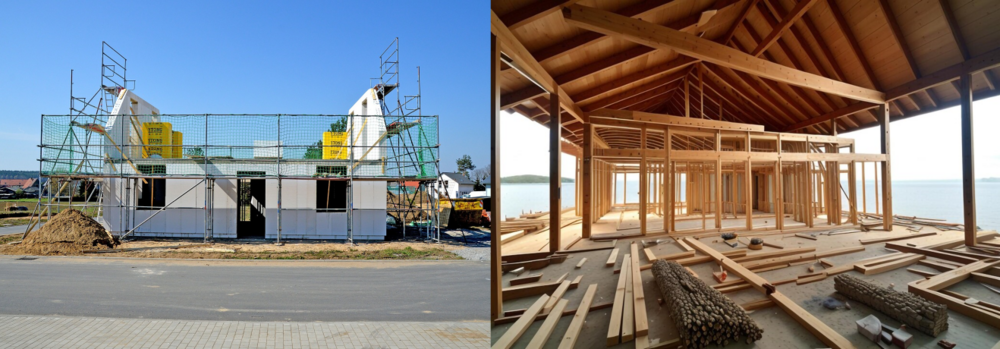
Prefabrication means that project teams manufacture or assemble building components away from the final Construction site. These components may include wall panels, floor panels, roof systems, structural elements, bathroom pods, utility rooms, façade systems, mechanical racks, or other repeatable assemblies.
Modular Construction goes further. Teams manufacture three-dimensional building units, or modules, in a factory-controlled environment. They then transport those modules to the Construction site and install them into the final structure.
All modular Construction uses prefabrication, but not all prefabrication is modular. A prefabricated wall panel is not the same as a fully finished volumetric module. This distinction matters because each method affects design, logistics, procurement, sequencing, regulation, financing, and installation differently.

Traditional Construction often suffers from fragmented workflows, unpredictable site conditions, labor shortages, weather delays, material waste, quality variation, and coordination problems.
Prefabrication and modular Construction help teams address these issues by moving more work into controlled manufacturing environments.
McKinsey reports that modular approaches can accelerate end-to-end project schedules by 20 to 50 percent and reduce costs by up to 20 percent when companies apply the method correctly and at scale.
Dodge Construction Network also reports that about 90 percent of users achieve improved productivity, improved quality, and increased schedule certainty when they use prefabrication and modular Construction instead of traditional stick-built methods.
These methods do not simply replace traditional Construction. They reorganize Construction around earlier decisions, better coordination, manufacturing discipline, and stronger information management.
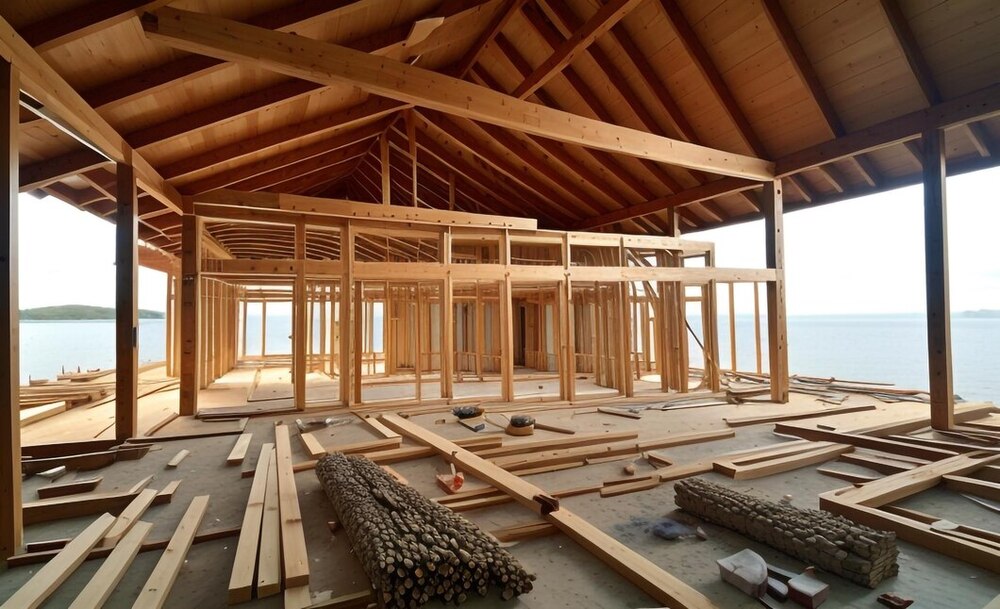
Prefabrication and modular Construction work best when teams connect them to Information Management, formerly known as Building Information Modeling.
Information Management helps teams coordinate design, fabrication, procurement, logistics, installation, quality control, and handover before work reaches the site. It allows owners, architects, engineers, contractors, manufacturers, suppliers, and trade partners to work from shared, structured information.
It matters because prefabrication and modular Construction depend on precision. A module must fit. A wall panel must align. A mechanical rack must arrive in the correct sequence. A bathroom pod must connect to the building systems without costly rework.
Information Management supports this process by helping teams:
Without strong information management, prefabrication can move problems from the Construction site into the factory. With strong information management, teams can prevent many of those problems before they become expensive.
Traditional Construction sites expose workers to heavy equipment, uneven ground, weather, material handling risks, work-at-height hazards, and crowded work areas. These risks increase when multiple trades operate in the same physical space under schedule pressure.
Prefabrication and modular Construction reduce many of these hazards. Teams perform more work in stable, controlled, factory-like environments. Workers use better equipment, safer workstations, repeatable procedures, and more predictable workflows.
This shift improves Safety in several ways. It reduces work at height. It lowers exposure to severe weather. It limits heavy material handling on congested job sites. It allows supervisors to standardize work procedures. It also reduces the number of workers needed on-site.
Safety does not improve automatically. Companies still need strong training, clear procedures, quality controls, and good leadership. However, prefabrication provides them with a better environment for managing risk.
Prefabrication and modular Construction help teams build with greater schedule certainty.
On traditional projects, weather, material delays, labor shortages, RFIs, late design changes, and site congestion can disrupt progress. In offsite production, teams can organize work around repeatable processes, planned material flows, standardized workstations, and controlled production schedules.
Modular Construction also allows teams to overlap activities. For example, site preparation and foundation work can continue while the factory manufactures modules. This parallel workflow can reduce the overall project duration.
McKinsey’s estimate that modular approaches can accelerate timelines by 20 to 50 percent reflects this ability to run site and factory activities in parallel.
Reliable schedules matter because delays create financial consequences. They increase general conditions, extend financing costs, disrupt business operations, and expose owners and contractors to penalties. Prefabrication helps teams reduce these risks by shifting more work into planned production environments.
Cost predictability remains one of the strongest arguments for prefabrication and modular Construction.
Traditional Construction often produces cost uncertainty because teams discover conflicts late, rely on fragmented documentation, and respond reactively to field conditions.
Prefabrication requires earlier decisions. Teams must define design requirements, tolerances, materials, logistics, and installation sequences before production begins.
The earlier planning improves cost control. Teams can detect design errors before fabrication, reduce rework, standardize assemblies, improve labor productivity, optimize material use, and limit waste.
Cost savings are not guaranteed. Modular Construction can become expensive if teams make late design changes, underestimate transportation constraints, fail to involve manufacturers early, or use modular methods on projects that lack repetition. However, when teams plan properly and build at scale, modular Construction can reduce total project costs. McKinsey estimates potential cost reductions of up to 20 percent under the right conditions.
Factory production improves productivity because workers repeat tasks, use specialized tools, operate in safer conditions, and avoid many site disruptions. Teams can standardize processes, inspect work more consistently, and improve quality through repetition.
Prefabrication also supports lean Construction. Teams can reduce waiting time, unnecessary movement, material waste, rework, and workflow interruptions. They can plan work more precisely because the factory environment allows better control over labor, equipment, materials, and sequencing.
Quality also improves because teams can inspect components before delivery. They can correct problems before installation. They can protect materials from the weather. They can use jigs, templates, automation, and digital measurement tools to improve accuracy.
Dodge Construction Network’s finding that about 90 percent of users report improved productivity, quality, and schedule certainty reinforces this point.
Prefabrication and modular Construction can streamline project delivery by reducing the amount of work performed under uncertain field conditions.
Instead of delivering many individual materials to a crowded site, teams can deliver larger, more complete assemblies. It reduces site storage needs, lowers congestion, limits disruption to neighboring properties, and helps teams install work faster.
The fifth advantage becomes especially important in dense urban environments, hospitals, schools, hotels, manufacturing facilities, and projects where owners must maintain ongoing operations. Modular Construction can reduce the time that a site remains disrupted.
Modular methods can also help owners bring assets into service earlier. When a hotel, clinic, school, or commercial facility opens sooner, the owner may generate revenue or operational value sooner.
Construction generates significant waste because teams often cut, adjust, discard, replace, and reorder materials on-site. Prefabrication reduces this waste by moving production into a controlled environment where teams can optimize material use.
Factories can properly store materials, reuse leftovers, recycle offcuts, and standardize production. Modular projects can also reduce the number of deliveries to the site, potentially lowering traffic, noise, and emissions.
McKinsey notes that industrialized production methods can optimize material use and reduce waste. Recent McKinsey research also suggests that modular Construction can reduce carbon emissions when teams design, manufacture, transport, and assemble modules effectively.
Prefabrication does not automatically make a project sustainable. Transportation distances, material choices, factory energy use, design efficiency, and lifecycle performance still matter. However, the method provides teams with a stronger platform for reducing waste and improving environmental performance.
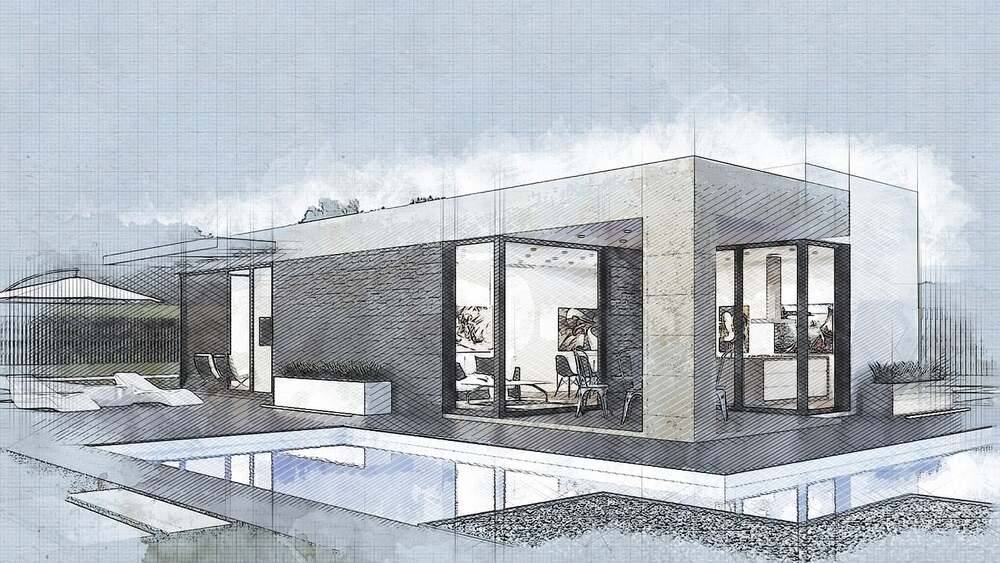
The industry often uses these terms loosely, but they do not mean the same thing.
Prefabricated Construction includes components or assemblies manufactured offsite and installed on-site. Examples include wall panels, structural insulated panels, roof trusses, MEP racks, façade panels, bathroom pods, and stair assemblies.
Modular Construction uses three-dimensional units manufactured offsite and assembled into a complete building or major building section. The Modular Building Institute defines modular Construction as a process in which teams construct a building offsite, under controlled plant conditions, using the same materials and designing to the same codes and standards as conventional Construction.
Permanent modular Construction creates long-term buildings that remain in one location. The Modular Building Institute explains that permanent modular Construction involves offsite Construction of modules or building units that teams deliver to a fixed location. These modules are often 60 to 90 percent complete before delivery.
Relocatable modular buildings are designed for shorter-term use and can be moved, reused, or repurposed. The Modular Building Institute distinguishes these from permanent modular structures, which are intended for long-term use.
Manufactured housing follows a different regulatory and financing framework from permanent modular Construction. Manufactured homes often fall under housing-specific standards, while permanent modular buildings must meet the same applicable building codes as comparable site-built structures.
This distinction is important. A permanent modular school, hospital wing, hotel, or apartment building should not be confused with a manufactured home or temporary unit.
Project teams use several forms of offsite Construction depending on the project type, design, budget, logistics, and required level of repetition.
Panelized systems include wall, floor, roof, façade, and structural insulated panels. These systems allow teams to manufacture building sections offsite and assemble them quickly on-site.
Panelization works well when the project benefits from repeatable surfaces but does not require full volumetric modules.
Volumetric modular Construction uses three-dimensional building units. These modules may arrive partially finished or substantially complete. Teams join them on-site to form the final building.
Volumetric methods work especially well for buildings with repeated room types, such as hotels, student housing, multifamily housing, healthcare rooms, and worker accommodation.
Flat-pack systems use prefabricated components that teams transport efficiently and assemble on-site. These systems can reduce transportation volume and support projects in locations where full modules would be difficult to deliver.
Factory-made turnkey units include bathroom pods, utility rooms, plant rooms, and other highly coordinated assemblies. Trade contractors often use these units because they consolidate complex mechanical, electrical, plumbing, and finish work into controlled production environments.
Relocatable modular structures support temporary or flexible needs, such as classrooms, site offices, healthcare surge capacity, temporary accommodation, and swing space during renovations.

Prefabrication and modular Construction work best when the project team makes key decisions early.
Owners should assess whether the project has enough repetition, design stability, transportation access, site constraints, manufacturing capacity, regulatory support, and supply chain readiness. They should also involve manufacturers, specialty contractors, and logistics partners early in the design process.
These methods work particularly well when projects include:
They work less well when teams expect frequent late design changes, when local approval processes do not understand modular methods, when transportation limits module size, or when the project lacks repetition.
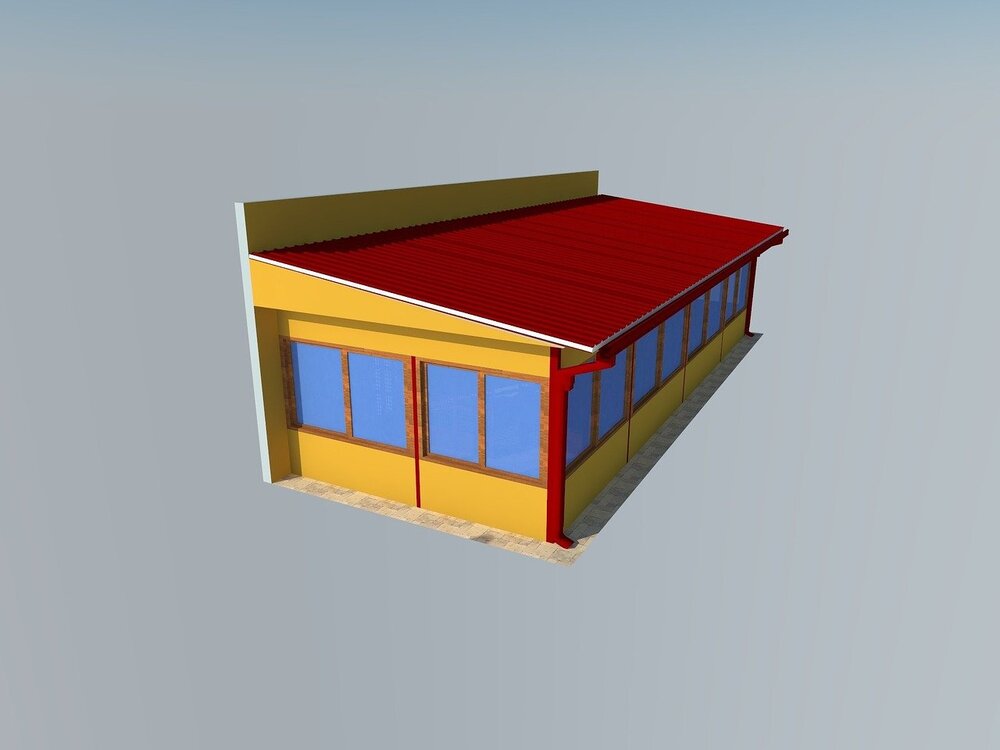
Prefabrication and modular Construction will continue to grow because the industry needs faster, safer, more productive, and more sustainable delivery methods.
Artificial intelligence will improve demand forecasting, production planning, logistics, quality assurance, and risk prediction.
Robotics will help factories cut, weld, assemble, inspect, and move components with greater precision.
Information Management will integrate design, production, installation, and asset data.
Digital twins will help owners connect manufactured assets to long-term operations.
Cloud platforms will allow distributed teams to coordinate decisions in real time.
However, technology alone will not deliver the full value. Owners, designers, contractors, and manufacturers must also change how they plan, procure, collaborate, and make decisions. Modular Construction requires discipline. Teams must define requirements early, coordinate interfaces carefully, manage supply chains, and protect design stability.

Prefabrication and modular Construction give the Construction industry a practical path toward better performance.
They can accelerate schedules, improve Safety, reduce waste, increase quality, improve cost predictability, reduce site disruption, and support more sustainable delivery. They also help the industry respond to labor shortages, urban constraints, and rising expectations from owners.
The strongest results come when teams combine prefabrication and modular Construction with Information Management, lean manufacturing, early contractor involvement, coordinated supply chains, and disciplined project governance.
These methods do not solve every Construction problem. They require early decisions, careful planning, reliable partners, transportation analysis, and strong coordination. But when teams apply them properly, they move Construction away from fragmented site-based improvisation and toward a more predictable, data-driven, manufacturing-informed model.
For owners, the question is no longer whether prefabrication and modular Construction deserve attention. The better question is: which parts of your project should you move offsite, and how early should you start planning?
How Driving Vision can help
Driving Vision helps organizations assess where technology, Information Management, cloud platforms, and digital workflows can improve project delivery.
Our technology appraisal reviews your current processes, identifies practical opportunities for improvement, and helps you decide how to introduce new tools at the right pace and within your budget.
A Driving Vision expert can interview your team online, analyze your workflows, and prepare a report explaining how prefabrication, modular Construction, Information Management, cloud computing, and secure data environments can create value for your organization.
Implementing BIM can be daunting, but Driving Vision is here to help you at the pace you are comfortable with. Get started by getting in touch now
Of practices using BIM made positive ROI
Of practices using BIM improved health and safety
Of practices using BIM decreased errors and omission
Of practices using BIM enhanced their practice image
Of practices using BIM claimed less litigations
Of practices using BIM reduced rework
It might seem daunting, time consuming & prohibitive for smaller practices, to implement BIM. Not with Driving Vision!