This article is part of a series examining the differences between modular and prefabrication in Construction. We will consider how these methods address issues such as waste elimination, transportation reduction, carbon emission diminishment, process streamlining, accelerated Construction cycles, and improved efficiency.
Owners are interested in modular Construction because traditional Construction often struggles with schedule uncertainty, labor shortages, inconsistent quality, weather disruption, site congestion, and cost escalation.
Modular Construction does not eliminate every problem, but it changes where and how Construction work happens.
Instead of relying entirely on site-based production, modular Construction moves a significant portion of the work into a more controlled environment. This shift allows teams to plan production more carefully, reduce variability, inspect work more consistently, and perform some activities in parallel.
For example, while foundations and site preparation take place on-site, modules can be manufactured in a factory simultaneously. This parallel process can compress the overall project schedule and reduce the time required on the Construction site.
The Main Benefits Owners See

A More Controlled Production Environment
Factory production gives workers better access to tools, equipment, workstations, lighting, materials, and quality-control procedures. Unlike traditional sites, factories are not exposed to the same level of weather disruption, material movement, or changing site conditions.
The controlled environment can improve productivity, Safety, and consistency. Workers can repeat tasks under stable conditions, which helps them develop speed and precision.
Improved Productivity
Repetition improves performance. When teams repeatedly manufacture similar components or modules, they learn to perform the work more efficiently. This can reduce waste, improve workflow, and increase output.
Modular Construction also supports better planning because the production process resembles manufacturing more than traditional site Construction. Tasks can be sequenced, measured, improved, and repeated.
Reduced Pressure on Jobsites
Many Construction markets face shortages of skilled labor. Modular Construction can reduce the number of workers required on-site by shifting work to factory-based teams. It does not remove the need for skilled workers, but it changes how labor is organized.
Owners benefit because fewer on-site workers can reduce congestion, improve logistics, and lower demand for temporary facilities such as parking, bathrooms, break areas, and material storage.
Shorter Schedules
One of the strongest arguments for modular Construction is schedule compression. Because factory production and site preparation can occur simultaneously, the total project duration may be reduced.
It is especially valuable for owners in sectors where speed matters, such as healthcare, hospitality, education, student housing, and emergency infrastructure.
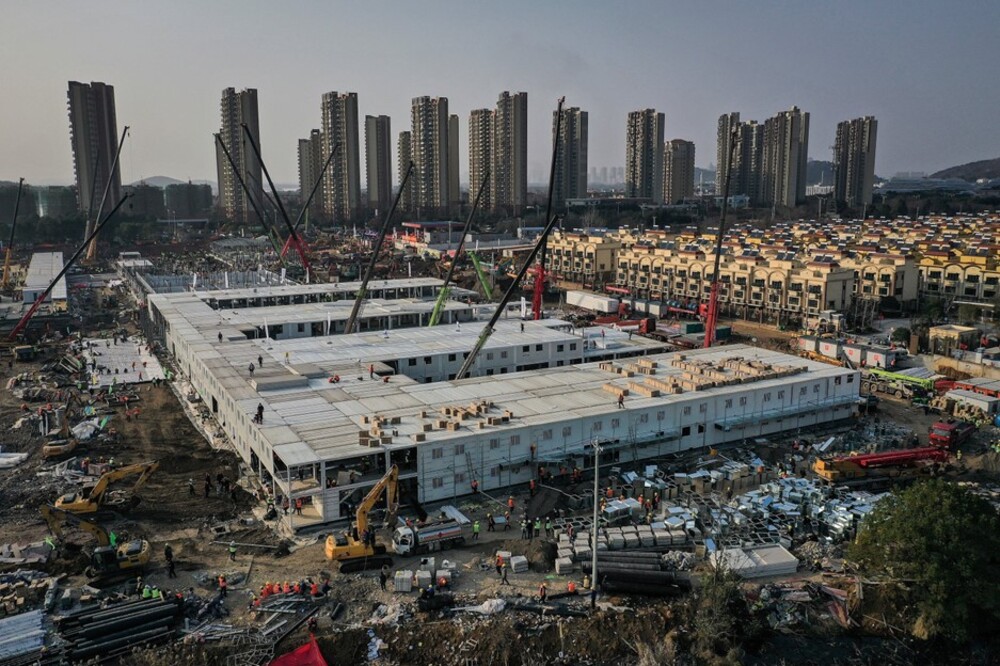
The rapid Construction of emergency healthcare facilities during the COVID-19 pandemic demonstrated the potential of modular approaches in crisis conditions. These projects showed how standardized components, accelerated logistics, and coordinated delivery can support urgent public needs.
Better Quality Control
Quality is easier to control in a factory than on a busy Construction site. Materials are protected, work areas are organized, inspections are easier to conduct, and production teams can apply consistent procedures.
For owners, this can mean fewer defects, more predictable finishes, better testing, and reduced rework. Modular Construction also supports Sustainability by enabling factory production, which can reduce material waste and improve resource efficiency.
Improved Site Logistics
Traditional Construction sites often suffer from congestion. Materials, workers, deliveries, equipment, subcontractors, and temporary facilities compete for limited space.
Modular Construction reduces some of this pressure. Since many assemblies arrive substantially complete, the site requires fewer material deliveries, fewer workers, and less staging space. It can be especially valuable in dense urban locations or constrained hospital, hotel, and school sites.
Increased Constructability
Modular Construction forces teams to think about constructability earlier. Designers, engineers, contractors, fabricators, and specialty subcontractors must coordinate details before production begins.
The early coordination can reduce design errors, improve sequencing, and prevent avoidable rework. Digital tools, including Information Management, 3D modeling, clash detection, and parametric studies, are especially valuable because they help teams test alternatives before committing to fabrication.
Automation and Robotics in Modular Construction
Automation and robotics can strengthen modular Construction because factory environments are better suited to repeatable production than traditional Construction sites. Automated equipment can improve accuracy, reduce variability, and support safer production.
Robotics may assist with cutting, welding, layout, assembly, lifting, material handling, and quality inspection. However, owners must evaluate automation carefully. The required production volume may not always justify a major investment in equipment. In some cases, renting specialized equipment or working with established modular manufacturers may offer a better business case.
The most realistic model for many projects is a hybrid system: human workers supported by automated tools, digital workflows, and selective robotics.
The Challenges Owners Must Manage

Despite its benefits, modular Construction introduces specific challenges.
The supply chain for modular Construction remains limited in some regions and sectors. Healthcare and hospitality owners, for example, often find that the number of qualified modular suppliers is still too small. It can restrict competition, increase risk, and reduce flexibility.
Financing can also be difficult. Traditional lenders may not fully understand modular Construction because value is created offsite before it appears physically on the owner’s land. It can complicate payment structures, insurance, progress verification, and risk allocation.
Design change is another major challenge. Modular Construction requires earlier decisions and greater discipline. Designers must adapt their processes to suit manufacturing logic, dimensional constraints, transportation limits, tolerances, and repeatability. Owners who expect late customization may struggle with modular delivery.
Approvals can also be complex. Some cities and authorities may not yet have streamlined processes for modular projects. Transportation permits, site access, lifting requirements, and local codes must be considered early.
How Owners Should Decide Whether to Go Modular

The decision to use modular Construction should happen early. Owners should not treat modular Construction as a late-stage Construction method. It is a project strategy that affects design, procurement, finance, logistics, approvals, risk, and operations.
Owners should evaluate several questions:
- Can the project benefit from repetition?
- Can customization be limited to specific areas?
- Is the site constrained or difficult to access?
- Is schedule compression a major priority?
- Are qualified modular suppliers available?
- Can the design team work within modular parameters?
- Will transportation costs and risks remain manageable?
- Can the procurement and financing strategy support offsite production?
- Can the modules meet lifecycle, maintenance, and flexibility requirements?
The most successful modular projects involve early feedback from specialty subcontractors, fabricators, logistics experts, code consultants, and contractors. Their input helps owners understand tolerances, transportation constraints, equipment availability, production capacity, and installation sequencing.
Planning the Production and Construction Process
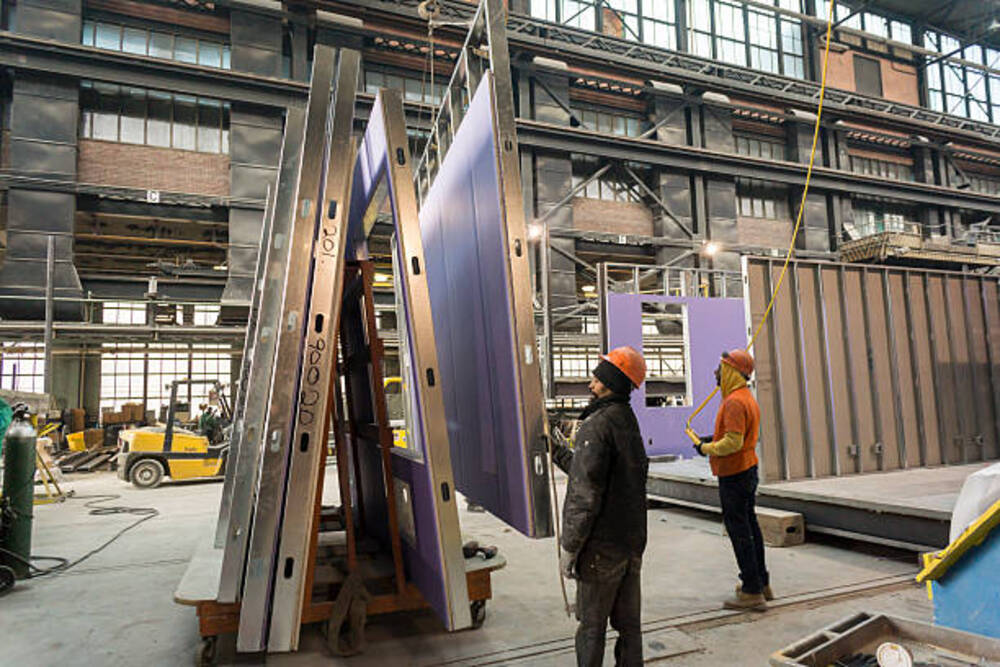
Fabrication requires two connected processes: planning the factory production and producing the modular unit.
The production line may rely on hand assembly, fully automated production, or a hybrid approach. In most Construction applications, the hybrid model is the most practical. Workers perform complex judgment-based tasks, while machines support accuracy, repetition, lifting, cutting, and production control.
Once the modules are completed in the factory, the Construction phase begins on-site. Foundations, structural supports, lateral systems, floor systems, and connection points must be ready before modules arrive. The schedule must also account for delays, factory issues, transport conditions, weather, crane availability, and site coordination.
The major advantage is that modular Construction removes much of the slow, variable, and disruptive work from the site. Instead of building everything piece by piece outdoors, teams assemble finished or semi-finished units into the final structure.
Lessons from Modular Construction Examples
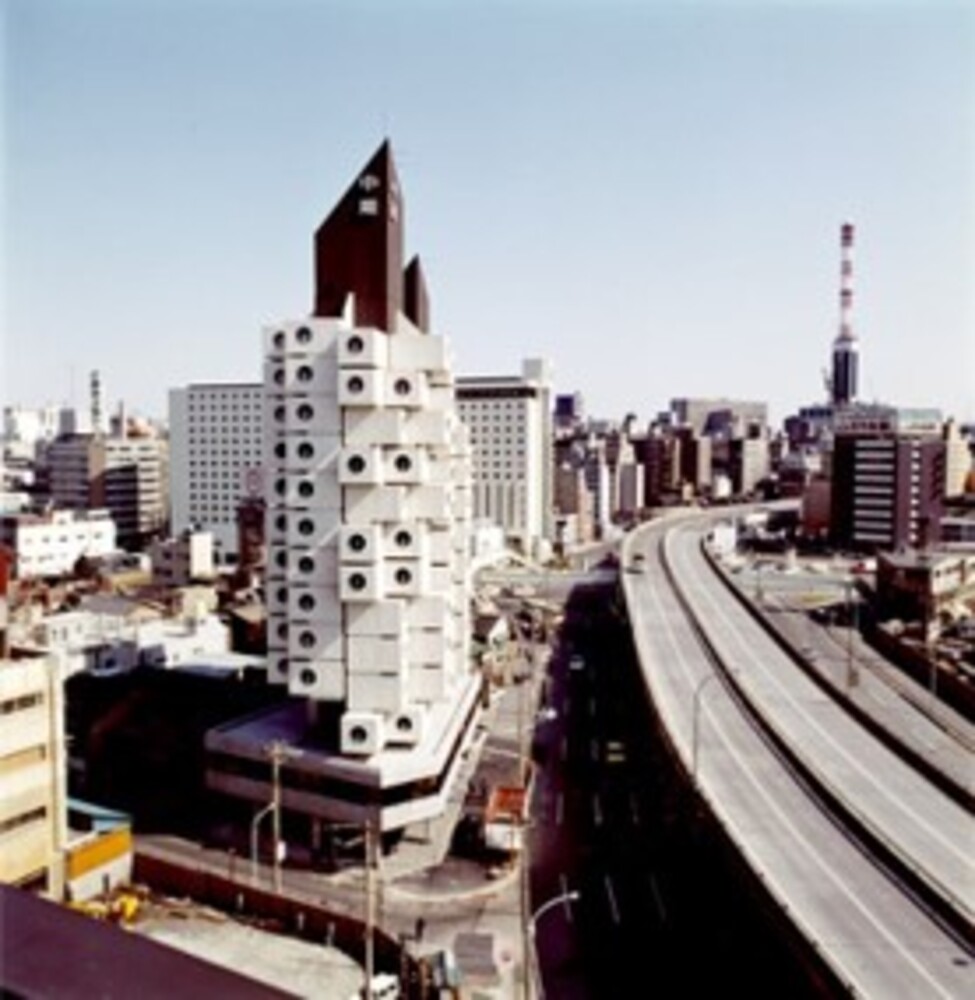
The Nakagin Capsule (pictured above) Tower remains one of the most visionary and important examples of modular architectural thinking. Its capsules showed how buildings could be imagined as systems of replaceable units. The project demonstrated flexibility, repetition, and industrialized design. It also revealed that modular Construction must include a realistic long-term maintenance and replacement strategy. Unfortunately, the city did not plan it well, and it had to be demolished in 2022.
Emergency hospital Construction (pictured below) during the COVID-19 pandemic showed another side of modular Construction. In crisis conditions, modular approaches can deliver speed, coordination, and scalability. These projects demonstrated how standardized components and rapid assembly can support urgent healthcare needs.
Together, these examples show that modular Construction is not only a technical method. It is a different way of thinking about buildings as systems that can be manufactured, assembled, adapted, and improved.
Conclusion
Owners have a central role in the future of prefabrication and modular Construction. These approaches can improve Safety, quality, Sustainability, cost certainty, schedule performance, and site logistics. They can also help address labor shortages and reduce the inefficiencies of traditional Construction.
However, modular Construction only works when owners make early, informed decisions. They must align the business case, design strategy, procurement model, supply chain, financing approach, and Construction plan from the beginning.
Prefabrication and modular Construction are not universal solutions. They require discipline, coordination, and careful planning. But when owners lead the process properly, modular Construction can deliver faster, safer, more predictable, and more valuable projects.
For owners, the question is no longer whether modular Construction is possible. The real question is where it creates value, how early the team can commit to it, and whether the organization is ready to think like both a builder and a manufacturer.
Driving Vision's technology appraisal looks at the best way to insert new technology in your workflows and how to move your organization to cloud computing so you can open up new possibilities for your daily planning tasks and make sure your data never leaves the optimally secured data center.
A Driving Vision expert will conduct the interviews online and discuss the issues and our findings in the report. Together, we will decide on the best way to implement the solutions at your pace and within your budget.
Implementing BIM can be daunting, but Driving Vision is here to help you at the pace you are comfortable with. Get started by getting in touch now