This article is part of a series in which we talk about circular economy in Construction, meaning to keep materials in use, minimize waste, and regenerate natural systems to build sustainable constructions that last long, are adaptable, and consider the deconstruction phase.
Sustainable Construction is now a global trend, the bloggers asked 42 experienced professionals, from green bloggers to business owners, to discover what trends we can expect to see in 2026 that might change how we treat our planet. Their number 6 trend is More sustainable materials. It includes swapping packaging materials and Construction materials for more sustainable natural resource options. This can mean readily biodegradable or replaceable materials with minimal environmental impact.
The worldwide green Construction market size will grow to $ 958.68 billion by 2030.
What is green Construction?

Green buildings enable the use of environmentally friendly processes and materials throughout the Construction life cycle, reducing potential environmental impacts. If you plan eco-friendly features from the design stage through assembly, they will materialize during the asset's in-use stage.
Green building materials are made from renewable resources, and their environmental impacts are measured throughout their life cycle. For example, building materials such as wood, steel, and concrete have the most significant potential environmental impacts. The production processes may cause deforestation, pollution, and carbon emissions.
You can reduce environmental impact by choosing sustainable, natural materials. To maximize their effect, you must understand how they are manufactured, prepared, discarded, and disposed of.
Using high-quality and alternative materials during the Construction phase will reduce the need for restorations, reconstructions, or replacements when the asset is in use.
Green Materials
According to the Sustainable Living Association, the three most environmentally friendly building materials are:
- bamboo, as it is adaptable, lasting, and quickly reproduces
- recycled steel, as it can be repurposed, and saves energy and resources
- Sheep’s Wool is a long-lasting insulation material because it is the best at absorbing heat and moisture.
On top of using green materials, you could choose to add environmentally friendly features to your Construction. For example, you may include bright windows to reduce heat loss, enhance natural light, and lower energy costs. Also, installing LED light bulbs in your buildings' lighting is energy efficient.
You could be awarded more projects if you incorporated green-building practices, which are popular amongst owners. For instance, sustainable green materials help minimize greenhouse gas emissions, avoid biodegradable waste, and reduce the Construction industry's carbon footprint.
Sustainable Construction technologies and software
According to the latest Construction market data from Deloitte, the global Construction industry in 2025 was valued at $11.39 trillion and will grow to $16.11 by 2030. Construction companies need to continue improving their Sustainability practices to sustain such high growth and maintain high quality. The use of cloud-based solutions such as Plannerly or Procore can help you manage and execute project delivery, leveraging Realtime data accessible anytime, anywhere, and on any internet-connected device.
Technologies play a key role in green building processes. For instance, using smart thermostats, solar panels, and green materials during renovations of older buildings can reduce energy consumption and improve Sustainability. Construction companies using systems management software on the cloud can track and control costs, avoid Construction issues by identifying them early in the Construction life cycle, organize documents, and manage their Sustainability programs effectively.
Distinct types of sustainable building materials
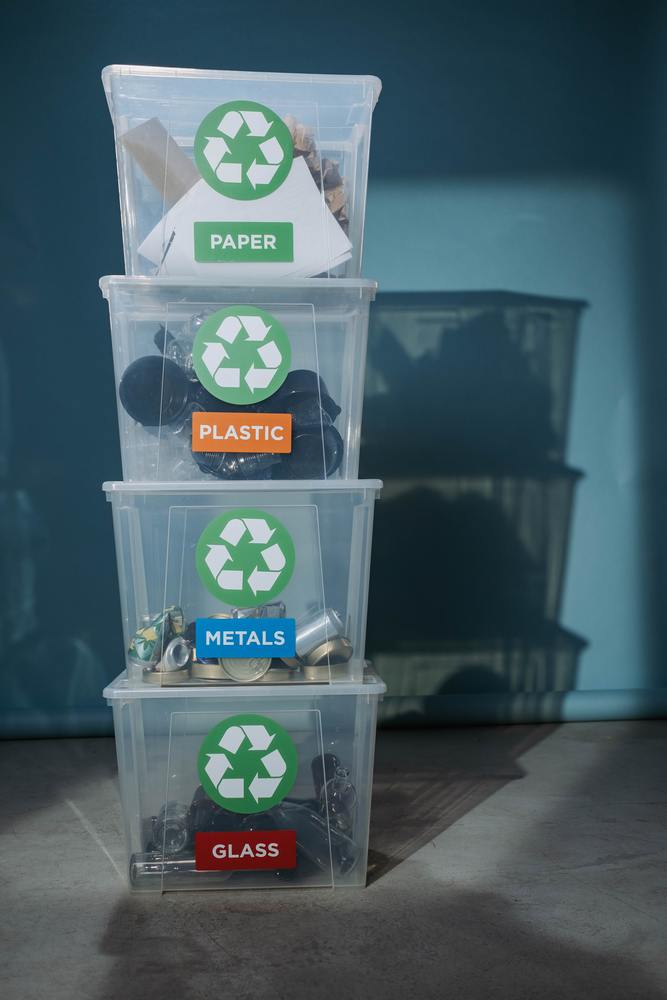
The worldwide housing crisis and global climate change are prompting the building industry to reduce energy consumption. This might include new Construction materials that do not harm the environment during production, use, disposal, or recycling.
We have always used natural materials in the Construction industry. We can now replace traditional materials with more eco-friendly alternatives thanks to emerging techniques. For example, concrete can be made of debris.
A few of the techniques described below were previously used and are now resurfacing in the Construction industry. Here are 11 impressive eco-friendly building materials that are transforming the Construction industry.
AshCrete
An alternative to concrete, it is made of 97% recycled materials. Ashcrete's main component is fly ash, which is a viable alternative to traditional cement. AshCrete is twice the strength of cement, thanks to its smaller pores. It is made of borate, a chemical from the chlorine family, and bottom ash. It is known to be cost-effective.
Bamboo
It is a sustainable alternative to wood and an ideal green material for Construction. Although it is like wood aesthetically, bamboo is not wood; it is grass - it is one of the fastest-growing plants. So, it regenerates more quickly than trees. Thanks to its high fiber content, bamboo is 100% biodegradable, antibacterial, strong, and eco-friendly when not chemically processed.
Cob
Cob (a rounded mass, lump, or heap) is an eco-friendly natural building material used to construct organic houses. Cob is a mix of clay, sand, and usually straw, mixed if used as a building material. It is an alternative to bricks and can be purchased cheaply and easily. You can recycle its components, which are found on almost any Construction site. Cob has been used in Construction for over 10,000 years and is making its re-entry into the industry. Cob is environmentally friendly, highly energy-efficient, suitable for residential use, and easy to use, allowing you to create a wide range of shapes.
Cork
The cork oak tree is a highly renewable and eco-friendly resource. For example, you can find cork in ceiling panels, acoustic walls, and flooring. Cork is resistant to moisture and any liquid.
Ferrock
Ferrock is an iron-rich ferrous rock made from recycled materials like waste steel dust and silica from ground glass. In Construction, it is used as an alternative to cement, mainly in marine applications, such as structures exposed to seawater. Ferrock is a complex and resilient material. It is excellent at absorbing binding CO2 and reducing pollution. It is 10 to 25 percent lighter than a brick structure.
Rammed earth interior walls
Earth is one of the oldest and most long-lasting techniques used in Construction. Dr. Rongrong Hu, a professor at Xi'an University of Architecture + Technology and an expert on rammed earth, said:
When I step on the thousand-year-old Great Wall of China built with rammed earth, or when I see the old and beautiful vernacular rammed earth houses in China, a question about rammed earth Construction always comes to my mind: what is the future of this disappearing ancient Construction technique with such a long history in China?
Rammed earth walls or floors can be used as thermal mass, absorbing solar energy during the day and gradually releasing warmth at night. The technique uses low-carbon-emission mixing soil in layers and squeezing it into a solid surface. For example, you can use watershed blocks made of recycled materials as an alternative to masonry blocks needing less cement.
Recycled plastic
Plastic will take an exceedingly long time to disintegrate in waste yards - up to 1,000 years - so to protect the planet, it is important to recycle it. In Construction, using materials made from recycled plastic can reduce carbon dioxide and methane emissions compared to concrete blocks. For example, ByBlock has the exact dimensions as standard concrete blocks (16x8x8 inches), but generates 41% less greenhouse gas emissions during manufacturing, and holds the same thermal resistance value despite being 10 pounds lighter. Recycled plastic is a durable, robust material that is well-suited for soundproofing and waste reduction.
Recycled steel
Recycled steel does not lose its properties. This is the main reason more steel is recycled each year than all recycled plastic, paper, aluminum, and glass combined. Steel is solid, dependable, and energy efficient.
Recycled, reclaimed wood
Wood is one of the most widely used building materials. Recycled wood is beautiful, easy to use, better for the environment than new timber, and improves well-being.
Straw bales
Straw bales are a renewable material that provide insulation for walls, attics, and ceilings, and help maintain stable temperatures. The straw material is procured from farmers. It is a safe way for them to avoid releasing carbon dioxide into the atmosphere when burning it after harvest and make money repurposing this waste by-product into compressed material. Straw is resistant to fire, aesthetic, 100% recyclable, and 100% biodegradable.
Sheep's Wool
It is a natural, eco-friendly material that regrows quickly. Wool is an exceptional home insulator. For example, it can be used in ceilings, walls, or attics. Aside from purifying indoor air and regulating moisture, it is easy to procure, it is a sound insulator, easy to process, renewable, and beneficial to human health
9 other alternate materials
You can use these alternative materials as well:
In conclusion

Sourcing and using alternative sustainable materials for products you use in Construction is suitable for protecting the planet. It is also part of your environmental responsibility and helps to prioritize profit-driven business innovation.
Focusing on Sustainability and purchasing and using alternative materials will help you meet your social responsibility goals, mitigate risks, and drive profitable growth.
You can cut resource use without losing productivity, make operations and processes more efficient, and dramatically reduce costs and waste.
Driving Vision's BIM expertise diagnostic looks at how you can eliminate waste (time and material) and improve your margins and the quality of the information provided during the design and Construction phases.
A Driving Vision expert will conduct the interviews online, issue a report, and discuss our findings with you. Together, we can determine the best way to implement the solutions at your pace and within your budget.
Implementing BIM can be daunting, but Driving Vision is here to help you at the pace you are comfortable with. Get started by getting in touch now